Loading
Wisconsin · Vehicle wrap shop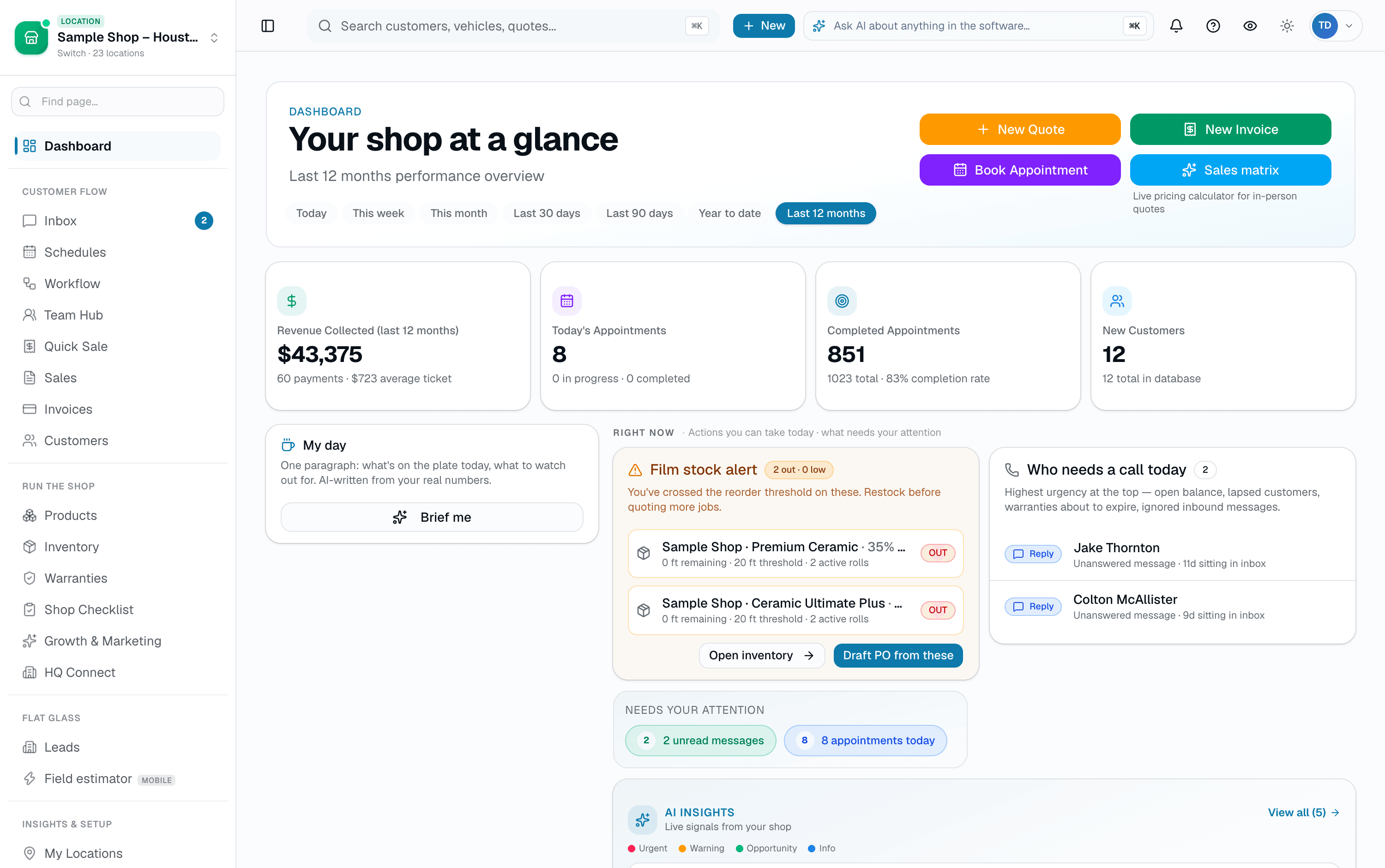
Vehicle wrap shop software in Wisconsin — design approvals, vinyl calc, fleet quoting
Wrap shop management for Wisconsin installers. Design-approval workflow with customer e-sign, vinyl-yardage calculator with waste factor, automatic fleet-account pricing, install photo bay, and the multi-day scheduling that wraps actually need. Built for color change, commercial fleet, and partial wraps alike.
app.salesthumb.com
Market size
~650 aftermarket service shops
state-wide
Hub cities
Milwaukee, Madison, Green Bay
+ more
State context
Milwaukee + Madison drive steady premium + commercial fleet demand.
Trial
At launch
Built for vehicle wrap workflows
Everything Wisconsin vehicle wrap shops actually need.
Not a generic auto-shop tool with a wrap mode — purpose-built for the way vehicle wrap shops work.
Design approval workflow
Upload mockup PDF, customer e-signs approval before vinyl is ordered. No more email chains.
Vinyl yardage calc
Enter square footage, apply your waste factor, and cost comes straight off the vinyl roll you're tracking. Margin shown live so you never under-quote.
Vinyl brand catalog
3M 2080, Avery SW900, KPMF, Inozetek, Hexis — full brand × color catalog with roll inventory tracking.
Multi-day bay block
Full wraps span 3-5 days. Multi-day bay blocks supported with customer mid-install SMS check-ins.
Install photo gallery
Document every panel, every seam. Customer gets a shareable post-install gallery + a digital fitment cert.
Fleet pricing, applied automatically
Set a fleet-wide discount or flat rate once for a commercial account, and it applies automatically to every vehicle's quote — no re-negotiating pricing job by job. Each vehicle still gets its own quote and invoice.
Wisconsin state context
Wisconsin VLT laws + market context.
Film laws: Wisconsin allows 50% VLT on front side, 35% on rear sides + back glass for sedans. Multi-purpose vehicles can run any darkness on rear + back. Windshield: top 5 inches AS-1 line. Medical exemption available.
Market: Milwaukee carries the luxury demand (Mequon / Brookfield); Madison sustains a steady younger ceramic + PPF market. Green Bay pulls a meaningful commercial fleet + Packers-tourism wrap business. Salt-belt winters drive paint protection.
Operators: always verify current VLT statutes with the Wisconsin DOT before quoting work. Laws and enforcement vary by county; medical exemptions usually require state-issued documentation.
Why SalesThumb fits
Built for Wisconsin vehicle wrap shops.
- Same nationwide pricing — plans start at $99/mo per shop, no Wisconsin surcharge
- Full vehicle wrap feature set on Growth tier ($399/mo) and up — 10 user seats included on Growth, unlimited on Pro — no "wrap mode" toggles or add-on upsells
- Mobile installer app for techs working in Milwaukee bays or on-location
- Public booking page tuned to how vehicle wrap customers actually book
- Two-way SMS via Twilio (10DLC compliance handled) for Wisconsin numbers
- Integrated payment processing for shop-attributed deposits, balances, and tips
- Every feature unlocked, no artificial tier limits
FAQ
Wisconsin vehicle wrap shop FAQ.
- Are wrap shops growing in Wisconsin?
- Yes — wrap demand in Wisconsin is driven by both color-change consumer work and commercial fleet graphics. Milwaukee, Madison, Green Bay are the primary metros for both segments.
- How much does wrap shop software cost in Wisconsin?
- SalesThumb starts at $199/month per shop for Wisconsin wrap shops — same nationwide pricing. Vinyl brand catalog, yardage calculator, design-approval workflow, and fleet multi-vehicle quoting all included.
- What is the best software for a vehicle wrap shop?
- SalesThumb is built for wrap shops — design-approval workflow with customer e-sign, vinyl-yardage calculator with waste factor, brand-aware roll inventory (3M 2080, Avery SW900, KPMF, Inozetek, Hexis), multi-day bay block scheduling, and fleet multi-vehicle quoting. Generic shop tools miss the design-approval + fleet quoting parts.
- Can it quote a 12-vehicle commercial fleet?
- Each vehicle gets its own quote and invoice — there's no single combined document across an entire fleet today. What is built: set a fleet-wide discount or flat rate once for the commercial account, and it applies automatically to every vehicle's quote from then on, so pricing doesn't have to be re-negotiated job by job. Common for commercial graphics and corporate fleet branding work.